
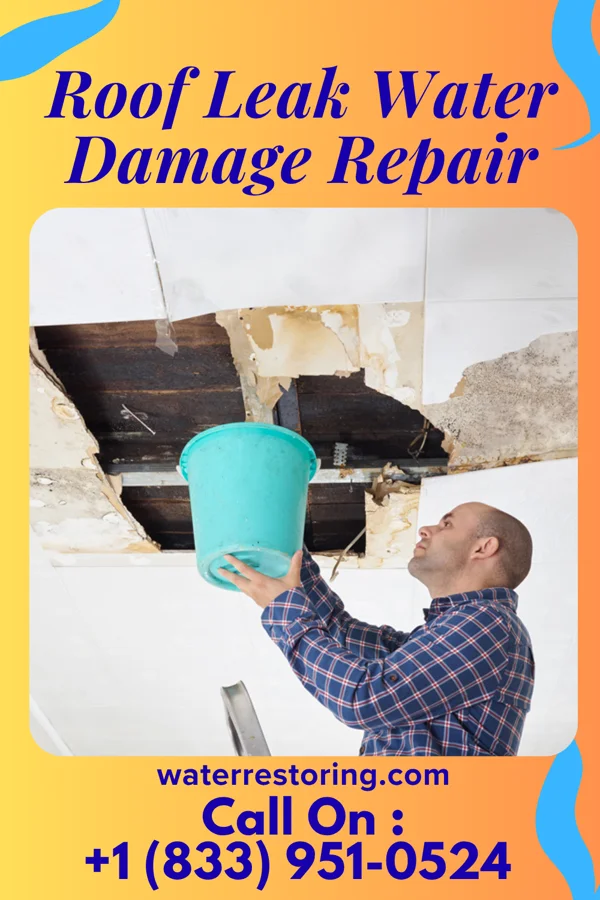
Roof Leaks Across Barnesville Neighborhoods
Every neighborhood in Barnesville has a different water damage risk profile. The one that shows up on most restoration calls is Barnesville, Minnesota experiences frequent spring and summer thunderstorms that can lead to heavy rainfall and strong winds, increasing the risk of roof leaks. The area is also prone to occasional snowmelt runoff in early spring, which can saturate roofing materials and create vulnerabilities.. A close second is In the late summer and early fall, Barnesville may see prolonged periods of rain, which can cause water to pool on roofs and lead to structural damage over time. Winter storms with freezing temperatures can also cause ice dams, leading to water infiltration..
The climate in Barnesville, with its cold winters and warm, wet summers, creates conditions where roof leaks and water damage are common. Ice dams in winter and water pooling in summer are major contributors to structural issues.
Water damage in Barnesville follows a few local patterns. Barnesville, Minnesota experiences frequent spring and summer thunderstorms that can lead to heavy rainfall and strong winds, increasing the risk of roof leaks. The area is also prone to occasional snowmelt runoff in early spring, which can saturate roofing materials and create vulnerabilities. accounts for the bulk of our calls. The climate in Barnesville, with its cold winters and warm, wet summers, creates conditions where roof leaks and water damage are common. Ice dams in winter and water pooling in summer are major contributors to structural issues. In Barnesville, mold can begin to grow within 48 hours of water exposure, leading to potential health risks and further structural damage if not addressed promptly.